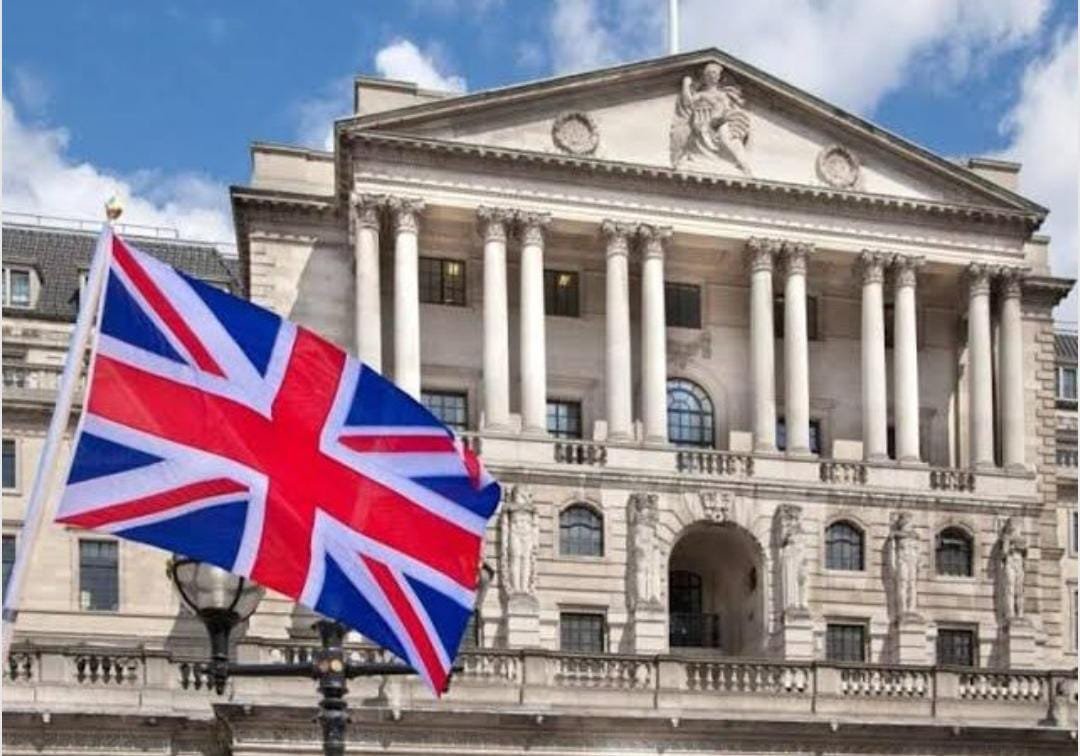
The Bank of England voted on Thursday by a narrow majority to cut interest rates, in its final monetary policy decision of 2025, in a move reflecting mounting economic pressures and slowing inflation.
The nine-member Monetary Policy Committee decided to cut the key interest rate by 25 basis points to 3.75%, after a split vote of 5 to 4, marking the fourth cut this year, according to Bloomberg.
Economists had widely predicted this decision, given lackluster economic data, a weakening labor market, and inflation falling at a faster pace than expected.
Nevertheless, the decision came by a narrow margin, as Bank of England Governor Andrew Bailey sided with the members most inclined towards monetary easing, against four policymakers who believe that the inflation rate, at 3.2% in November, is still far from the bank's target of 2%.
The Monetary Policy Committee stated that inflation remains above target, but is "now expected to return to target at a faster pace in the near term," warning that "the extent of further monetary policy easing will depend on developments in inflation expectations.".
Based on current data, the committee added that "the base interest rate is likely to continue a gradual downward trajectory, but decisions regarding further easing will become more sensitive and precise.".
The pound sterling was little changed against the dollar following the decision, and the Financial Times 100 index remained stable.
In contrast, the yield on 10-year British government bonds rose by three basis points to 4.510%.
While the interest rate cut is expected to be welcomed by consumers burdened by the cost of living, as it reduces the cost of borrowing, savers may be hurt by the lower returns on their savings.
For her part, British Finance Minister Rachel Reeves welcomed the cut decision, considering that it would help alleviate the pressures of the cost of living. She wrote in a tweet via the “X” platform, «Today’s interest rate cut is the sixth since the election in July 2024 and the fastest pace of cuts in 17 years, and good news for families with mortgages and for companies that rely on loans,« adding that »there is more to be done to address the cost of living crisis.”.
Economists expect the Bank of England to make another cut in early 2026 if economic data continues to provide more room for maneuver.
The bank indicated on Thursday that it expects the economy to register zero growth in the fourth quarter of 2025, but the number of possible cuts is still under discussion.